AI and Robotic Rehabilitation: How Technology Is Supporting Modern Rehabilitation
AI and Robotic Rehabilitation: How Technology Is Supporting Modern Rehabilitation
September 2, 2026
Advances in rehabilitation technology are changing the way therapists assess movement, deliver exercises, and monitor patient progress.
Artificial intelligence and robotic rehabilitation systems can now be integrated with traditional rehabilitation programs to support patients with neurological and movement-related conditions.
But what exactly is robotic rehabilitation, and who may benefit from it?
What Is Robotic Rehabilitation?
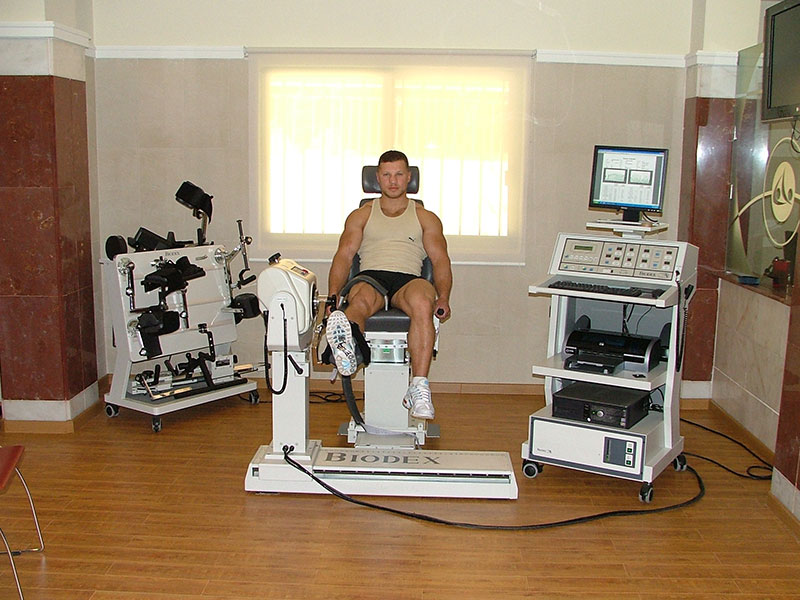
Robotic rehabilitation uses specialized devices to assist patients while performing controlled and repetitive therapeutic movements.
Depending on the technology, robotic systems can support rehabilitation of the lower limbs, upper limbs, walking, balance, and other functional movements.
These systems do not replace therapists. They are tools that therapists can incorporate into a broader rehabilitation program.
How Is Artificial Intelligence Used in Rehabilitation?
AI-supported rehabilitation technology can help collect and analyze information related to a patient’s movement and performance during therapy.
Depending on the system being used, this information can help the rehabilitation team assess performance, adapt exercises, and monitor changes throughout the rehabilitation program.
The rehabilitation plan and clinical decisions remain under the supervision of qualified healthcare professionals.
Who May Benefit From Robotic Rehabilitation?
Following professional assessment, robotic rehabilitation may be considered for patients experiencing movement difficulties related to conditions such as:
- Stroke
- Spinal cord injuries
- Traumatic brain injuries
- Multiple sclerosis
- Parkinson’s disease
- Cerebral palsy
- Other neurological conditions affecting movement
The suitability of robotic rehabilitation depends on the patient’s medical condition, abilities, rehabilitation goals, and professional assessment.
Upper Limb Robotic Rehabilitation
Neurological conditions can affect movement of the shoulder, arm, wrist, or hand.
Upper limb robotic rehabilitation can support structured and repetitive movement training designed to work on affected functions.
Therapists can integrate this technology with conventional exercises and functional training based on the patient’s rehabilitation plan.
Lower Limb and Gait Rehabilitation
For patients experiencing difficulty standing or walking, robotic rehabilitation technology can support lower-limb and gait training.
Depending on the patient’s condition, rehabilitation may focus on movement patterns, mobility, balance, coordination, and walking-related functions.
Does Robotic Rehabilitation Replace the Therapist?
No.
Technology supports rehabilitation; it does not replace clinical expertise or human interaction.
The rehabilitation team remains responsible for assessing the patient, determining appropriate goals, selecting suitable therapies, monitoring progress, and adjusting the rehabilitation program.
AI and Robotic Rehabilitation at Rahma Hospital
Rahma Hospital in Tripoli, Lebanon integrates advanced rehabilitation technologies into its neurological and physical rehabilitation services.
Through AI-supported assessment and robotic rehabilitation technologies for upper and lower limbs, eligible patients can receive technology-assisted rehabilitation as part of an individualized program supervised by the rehabilitation team.
Patients with stroke, neurological injuries, movement impairments, or other conditions requiring rehabilitation should first undergo an appropriate assessment to determine the rehabilitation approach suitable for their condition.
Frequently Asked Questions
Is robotic rehabilitation suitable for every patient?
No. Each patient should be assessed individually to determine whether robotic rehabilitation is appropriate for their condition and rehabilitation goals.
Can robotic rehabilitation help stroke patients?
Robotic technologies may be incorporated into rehabilitation programs for selected stroke patients, particularly for structured upper- or lower-limb movement training.
Is AI replacing physiotherapists?
No. AI and robotic technologies are tools used by rehabilitation professionals. Assessment, treatment planning, supervision, and clinical decisions remain the responsibility of the healthcare team.