Pediatric Rehabilitation: When Might a Child Need Rehabilitation Support?
Pediatric Rehabilitation: When Might a Child Need Rehabilitation Support?
September 2, 2026
Children develop movement, communication, coordination, and everyday skills at different rates. In some cases, a medical, neurological, physical, or developmental condition may affect a child’s ability to perform certain activities independently.
Pediatric rehabilitation brings together different therapeutic approaches to support a child’s functional abilities based on individual needs.
What Is Pediatric Rehabilitation?
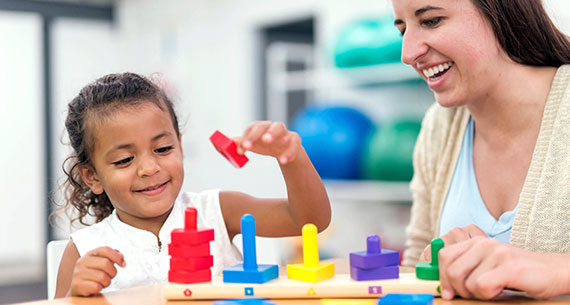
Pediatric rehabilitation is designed specifically for infants, children, and adolescents who experience difficulties affecting movement, communication, coordination, development, or daily activities.
Rather than using one standard approach for every child, rehabilitation begins with an assessment to understand the child’s abilities, challenges, and individual needs.
When Might Pediatric Rehabilitation Be Recommended?
A child may be referred for rehabilitation when difficulties affect areas such as:
- Movement and mobility
- Balance and coordination
- Muscle strength or control
- Fine motor skills
- Communication and speech
- Daily activities
- Functional independence
- Development of age-appropriate abilities
The need for rehabilitation should be determined through an appropriate professional assessment.
Physiotherapy for Children
Pediatric physiotherapy focuses on movement and physical function.
Depending on the child’s condition, therapy may work on mobility, balance, strength, coordination, posture, and other movement-related abilities.
Activities and exercises are adapted according to the child’s age and functional needs.
Occupational Therapy for Children
Occupational therapy focuses on skills children need for everyday activities.
This may include fine motor abilities, hand function, coordination, self-care activities, and other skills related to independence and participation in daily life.
Speech Therapy for Children
Children experiencing difficulties with speech, language, communication, or related functions may benefit from speech therapy following assessment.
Therapy is adapted according to the child’s specific communication needs and abilities.
Why Is an Individual Assessment Important?
Two children with the same diagnosis may have different abilities and challenges.
An individual assessment helps the rehabilitation team identify the child’s functional needs and establish appropriate rehabilitation goals.
Progress can then be monitored and the program adjusted according to the child’s development and response to therapy.
Pediatric Rehabilitation at Rahma Hospital in Tripoli
Rahma Hospital provides pediatric rehabilitation services in Tripoli, Lebanon for children requiring specialized therapeutic support.
Depending on the child’s assessment and needs, rehabilitation may involve physiotherapy, occupational therapy, speech therapy, psychomotor therapy, and other specialized interventions.
The objective is to support each child’s functional abilities, participation in everyday activities, and individual rehabilitation goals through a coordinated approach.
Parents who have concerns about their child’s movement, communication, development, or functional abilities can contact Rahma Hospital to learn more about pediatric rehabilitation assessments and available services.
Frequently Asked Questions
Does every child with developmental difficulties need rehabilitation?
Not necessarily. A professional assessment can help determine whether rehabilitation is appropriate and which type of support may be beneficial.
What therapies can be included in pediatric rehabilitation?
Depending on the child’s needs, rehabilitation may include physiotherapy, occupational therapy, speech therapy, psychomotor therapy, or a combination of different approaches.
Where can parents find pediatric rehabilitation in Tripoli?
Rahma Hospital provides pediatric rehabilitation services in Tripoli, Lebanon, with rehabilitation programs developed according to each child’s individual assessment and needs.